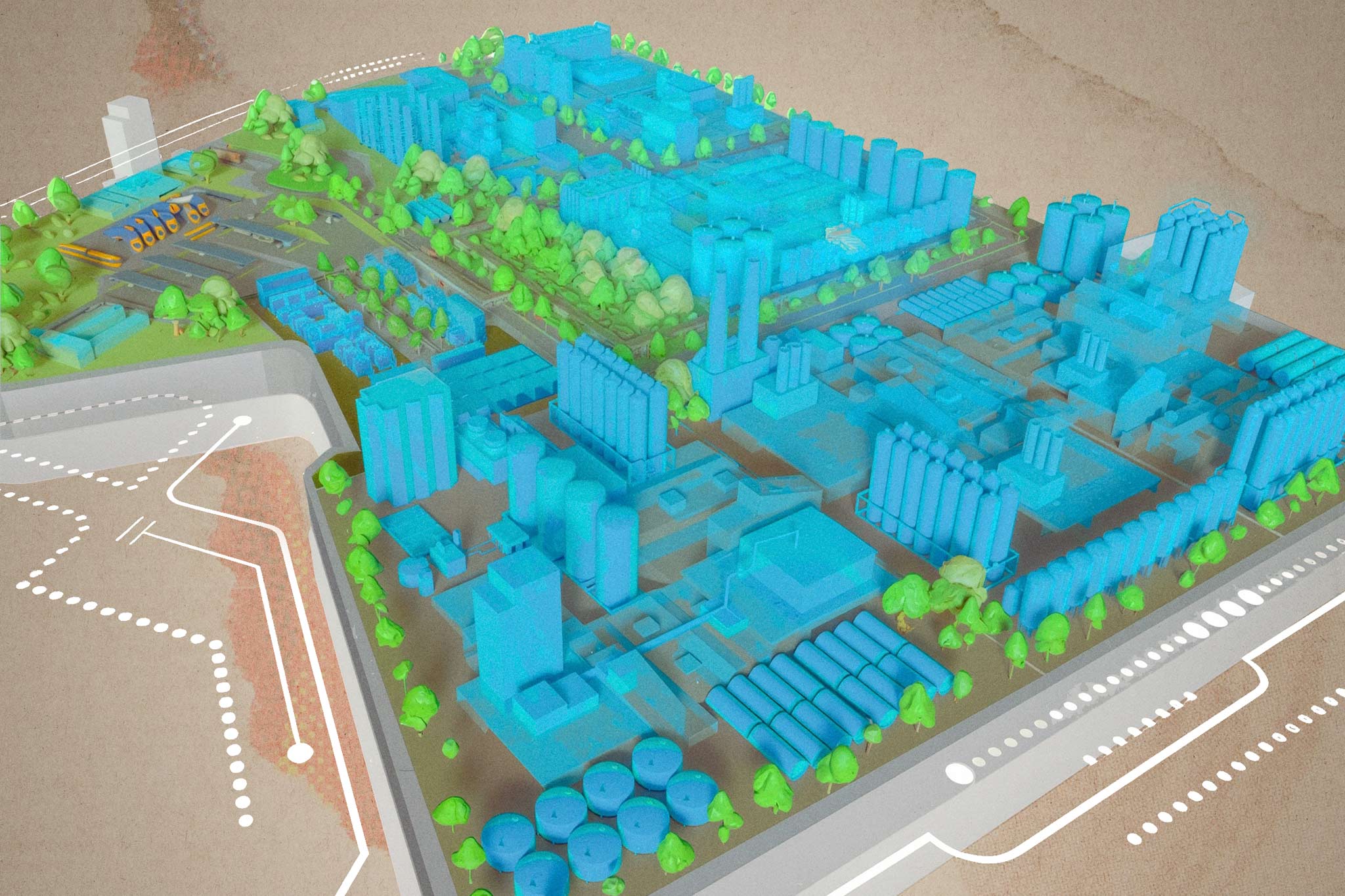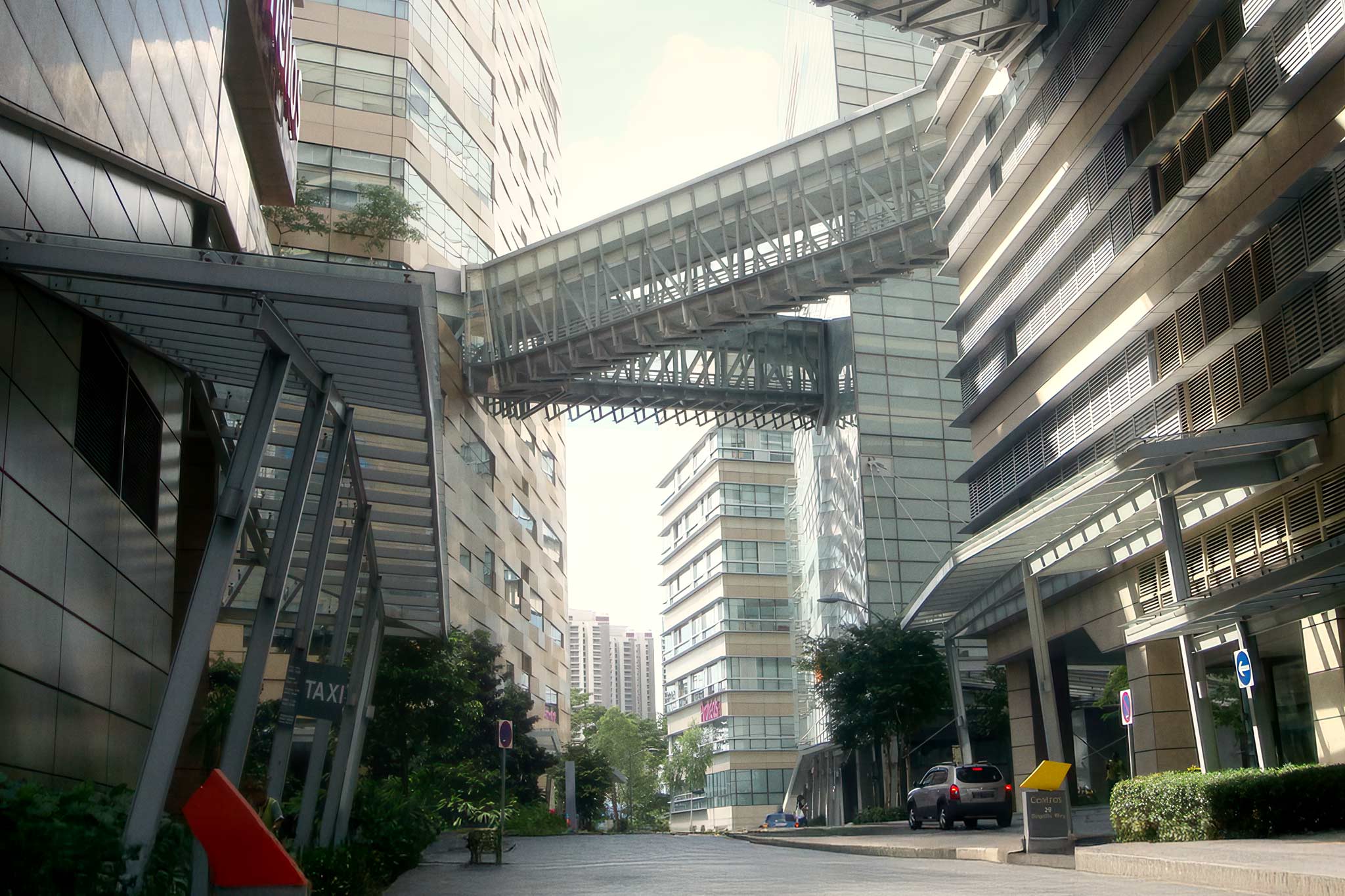
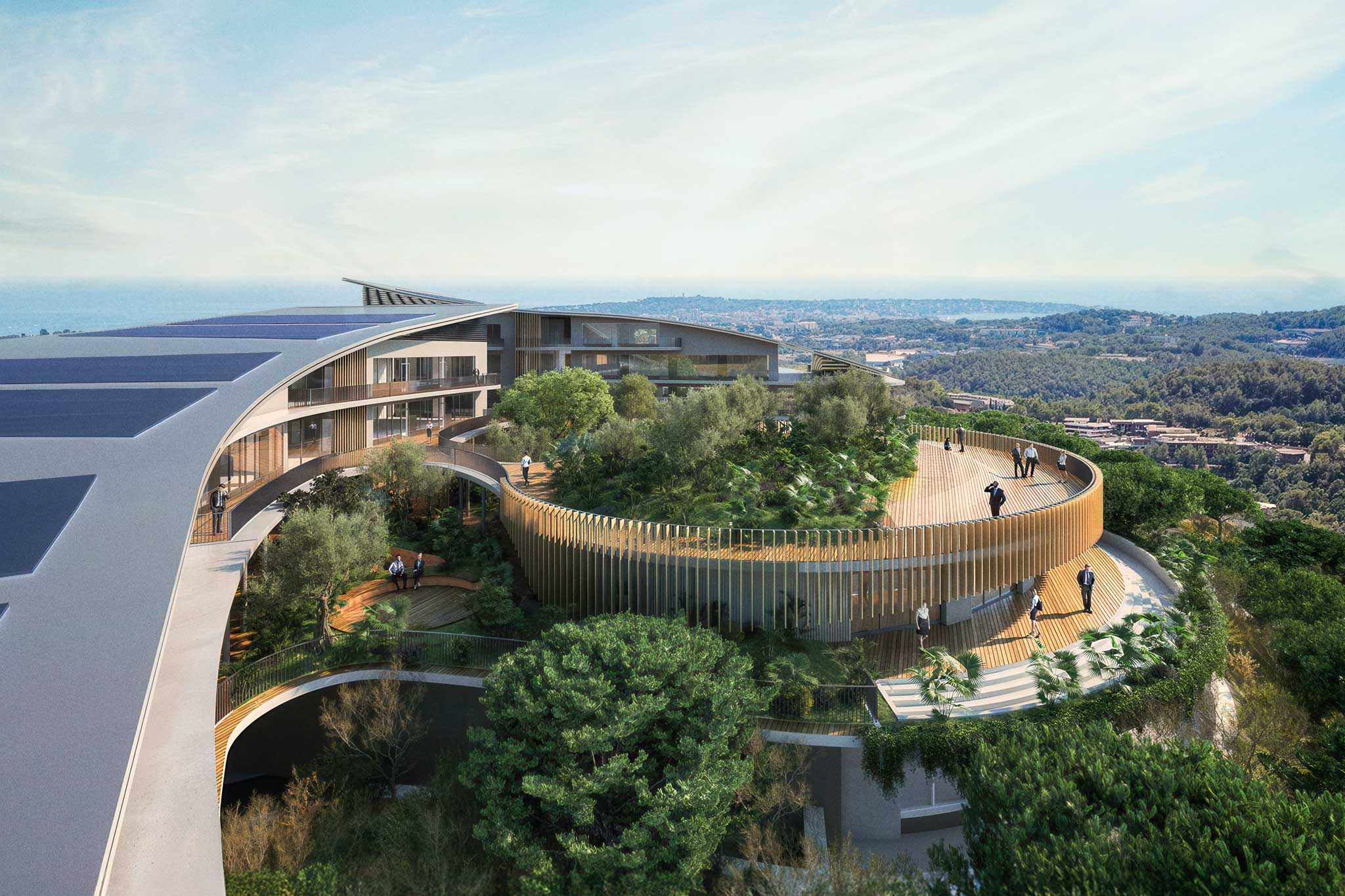
Widely recognised as Europe’s premier science and technology park, Sophia Antipolis Science & Technology Park was founded in 1969 near Nice on the French Riviera. It serves as a major R&D hub, hosting over 2,500 companies, more than 40,000 employees, and thousands of researchers and students across a 2,400-hectare landscaped environment. The park specialises in artificial intelligence, information technology, environmental sciences, health, energy, cybersecurity, biotechnology, and autonomous vehicles. Today, the workforce represents over 80 nationalities.
In October, the venue will host the 43rd IASP World Conference on Science Parks and Areas of Innovation. Known as Europe’s first science and technology park, Sophia Antipolis serves as a living laboratory of collaboration, making it an optimal site for the International Association of Science Parks and Areas of Innovation (IASP) annual gathering.
The congress is scheduled for 27–30 October, and is expected to attract more than 1,800 participants from over 70 countries, including innovation district directors, policymakers, researchers, entrepreneurs, and investors. The event is projected to generate 8,500 hotel nights across Antibes, Nice and the wider Côte d’Azur region, resulting in a significant economic and reputational impact.
IASP’s decision to return to France, where the association was founded in 1984, carries strong symbolic weight. For local organisers, it signifies both acknowledgement of Sophia Antipolis’s sustained dedication to innovation ecosystems and a prime chance to demonstrate the region’s advancing role in the digital and green economy.
Hosting Europe’s oldest science park The venue was established over 50 years ago by French senator Pierre Laffitte. He envisioned a place where universities, businesses, and public institutions could collaborate in a natural setting that fosters creativity. Its international reputation made it a logical choice to host the 2026 congress.
“Sophia Antipolis embodies what our association stands for: interconnected ecosystems, where research and enterprise collaborate across borders,” says Doctor Ebba Lund, CEO of IASP. According to her, the French bid emphasised not only the science park’s legacy but also its ongoing transformation toward a digitally smart, sustainable innovation district model.
The Communauté d’Agglo-mé-ra-tion Sophia Antipolis (CASA) will coordinate the event, collaborating with Team Côte d’Azur, Business France, and local academic institutions, including Université Côte d’Azur and Inria, the French national research institute for digital science and technology. The Région Sud Provence-Alpes-Côte d’Azur and the French Ministry of Higher Education and Research will also support the congress, underscoring its national significance.
“We want to highlight how Sophia Antipolis serves as a bridge between science, industry, and everyday life”
A four-day focus on transformation and connectivity The 2026 theme, Transformation Through Connection: Building Resilient Innovation Ecosystems, highlights the evolving role of science and technology parks in addressing global challenges. The congress program includes three plenary sessions, 24 breakout sessions, eight workshops, and a poster exhibition for young researchers and startups.
Over 130 international speakers will contribute to the sessions. Confirmed keynote speakers include Professor Mariana Mazzucato of University College London, known for her work on mission-oriented innovation, Doctor Luc Julia, co-creator of Apple’s Siri and chief scientific officer at Renault Group, and Silvia Candiani, Microsoft’s Vice President for Western Europe.
Alongside the plenary sessions, parallel tracks will address the following themes:
- Sustainable innovation districts and net-zero strategies.
- Artificial intelligence and data sovereignty in science parks.
- University–industry partnerships for regional development.
- Funding models for deep-tech incubation.
- Talent attraction and diversity strategies.
Participants will take part in site visits highlighting Sophia Antipolis’s ecosystem. Among these are tours of Eurecom’s 5G campus, the CEA Tech research facilities, the Inphyni Photonics Laboratory, and a cluster of startups working with quantum technologies and biomedical diagnostics. CEA Tech is the technological research branch of the French Alternative Energies and Atomic Energy Commission, focusing on bridging the gap between fundamental research and industrial application.
“IASP congresses are not only about presentations. They offer a platform for peers to exchange operating models, discuss policy, and build new collaborations. This year, we want to highlight how Sophia Antipolis serves as a bridge between science, industry, and everyday life,” says Marie-Hélène Parmentier, Director of International Affairs for CASA.
The congress will take place at several venues in the region, with the Sophia Antipolis Conference Centre as the main location. Technical meetings and workshops will be held in Antibes, Juan-les-Pins, and electric shuttles will connect hotels and event spaces. Regional authorities expect high occupancy at over 60 partner hotels, including both international chains and local business hotels.
To ensure a lasting legacy, local organisers and IASP are developing a post-congress programme to extend partnerships beyond the event. One proposed initiative is the Sophia Innovation Residency, a six-month exchange program for startups and researchers from the association’s member parks, planned for launch in 2027.
“The congress gives us visibility that translates into long-term cooperation. Beyond the immediate economic impact, we see this event as an accelerator for joint projects within Europe and with our partners in Asia, Africa and Latin America,” says Jean Leonetti, President of The Communauté d’Agglomération Sophia Antipolis and Mayor of Antibes.
Sustainability and digitalisation IASP and the host committee have committed to ISO 20121 for sustainable event management. They will use renewable energy at the main venue, reduce waste through digital materials, and encourage public transport and electric shuttles for mobility.
“The French bid emphasised not only the science park’s legacy but also its ongoing transformation toward a digitally smart, sustainable innovation district model”
An estimated 85 per cent of delegates are expected to use low-emission transport options during the event. Regional transport operator Lignes d’Azur will provide a dedicated congress pass integrated with hotel bookings. Additionally, the event app, developed by a local startup in the Sophia Tech cluster, will enable paper-free registration, participant matchmaking, and real-time updates. Further environmental goals include offsetting residual emissions through reforestation initiatives in nearby Valmasque Park, making the congress one of IASP’s most sustainable editions to date.
The role of universities and research Universities and research institutions have long played a central role in the association’s gatherings. For 2026, Université Côte d’Azur (UCA) will serve as both scientific co-organiser and content contributor. UCA will also host the Young Researchers Forum, a one-day event held before the main congress, during which 120 doctoral students and early-career researchers will present work on AI ethics, climate modelling, and biomedical engineering.
“This forum exposes young scientists to global perspectives. It establishes the university’s role in the local innovation ecosystem and strengthens our partnerships with industry to turn research into real applications,” says Professor Jean-Marc Gambaudo, President of UCA.
The congress will include a session on international collaboration models among universities, with case studies from KAUST (Saudi Arabia), Tecnológico de Monterrey (Mexico), and Aalto University (Finland). These discussions support the association’s ongoing goal to foster global networks that enhance regional innovation.
Industry participation and exhibition Alongside the conference programme, the IASP Innovation Marketplace will feature over 60 exhibitors from 25 countries. Exhibiting organisations range from large technology parks and incubators to innovation agencies and corporate research centres. The marketplace is designed to facilitate one-on-one meetings between investors, park managers, and technology developers.
The 2026 edition will host the IASP Global Innovation Awards, honouring excellence in Science Park Management, Startup Support, International Partnerships, Social Impact, and Digitalisation of Services. According to IASP’s Secretariat, nearly 200 applications were submitted for the awards, reflecting the growing competitiveness in the global innovation ecosystem. The awards ceremony will take place at the Palais des Congrès Antibes Juan-les-Pins, followed by a networking gala showcasing local Mediterranean cuisine.
Looking toward the future Beyond the numbers and sessions, the international congress underscores the growing importance of science and technology parks in addressing global challenges, from climate resilience to digital transformation. It also reaffirms the IASP network’s goal to connect ecosystems that drive shared innovation.
As Doctor Ebba Lund summarised in a preparatory briefing: “The world today requires interconnected innovation spaces. Sophia Antipolis, with its history and forward-looking initiatives, symbolises precisely that spirit.”