The Belgian city of Antwerp has been a central trading hub for centuries and is home to Europe’s second-largest port. It is also the capital of the diamond trade and the world’s second-largest petrochemical cluster. As the largest city in the Flemish region, Antwerp has over 510,000 residents from 174 nationalities.
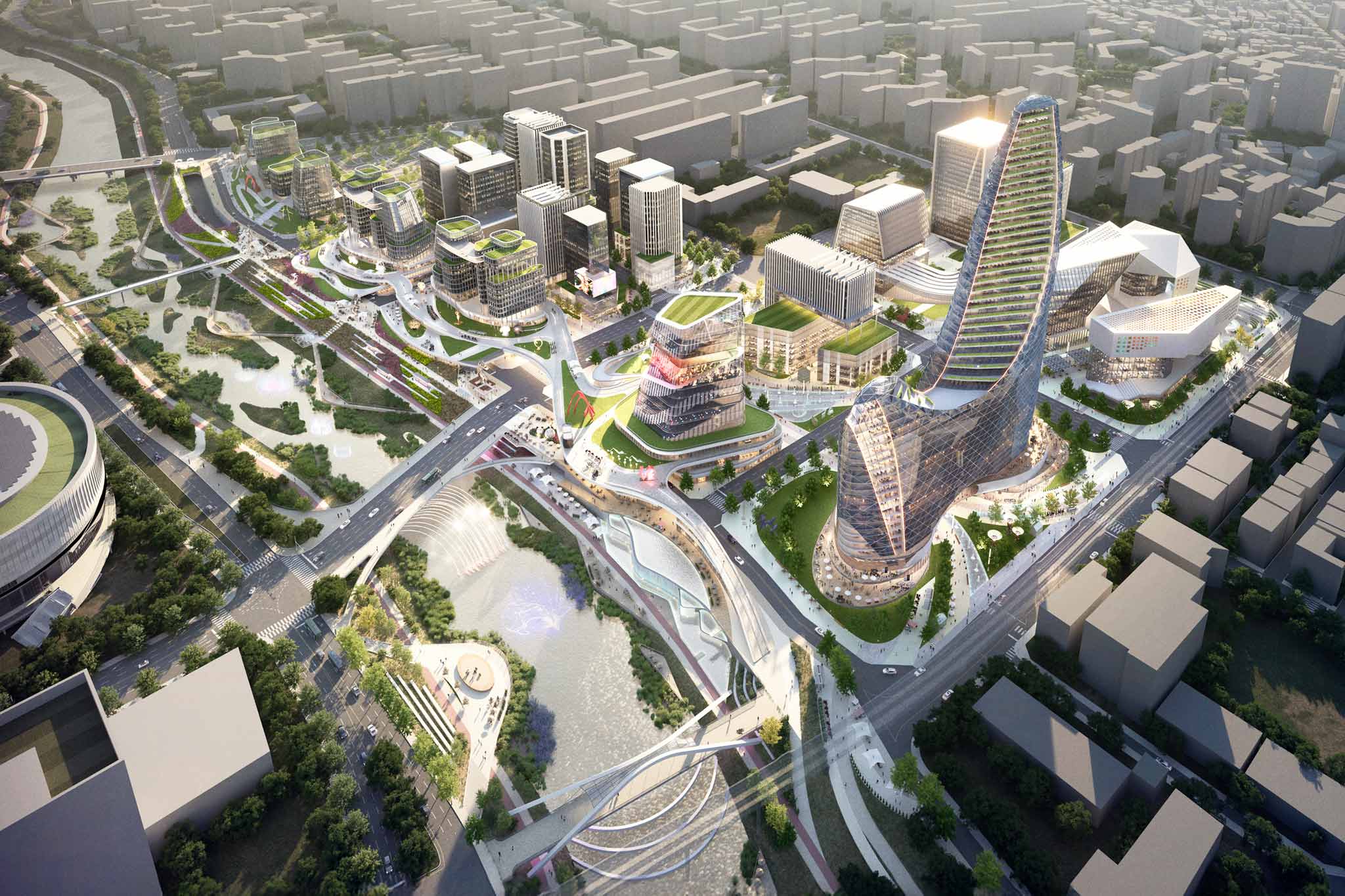
The 88-hectare Next Gen District brings together academic research, digital health technology, and industrial production in life sciences. This integration has enabled the city to develop a specialised ecosystem focused on smart health, AI-driven diagnostics, and sustainable chemistry.
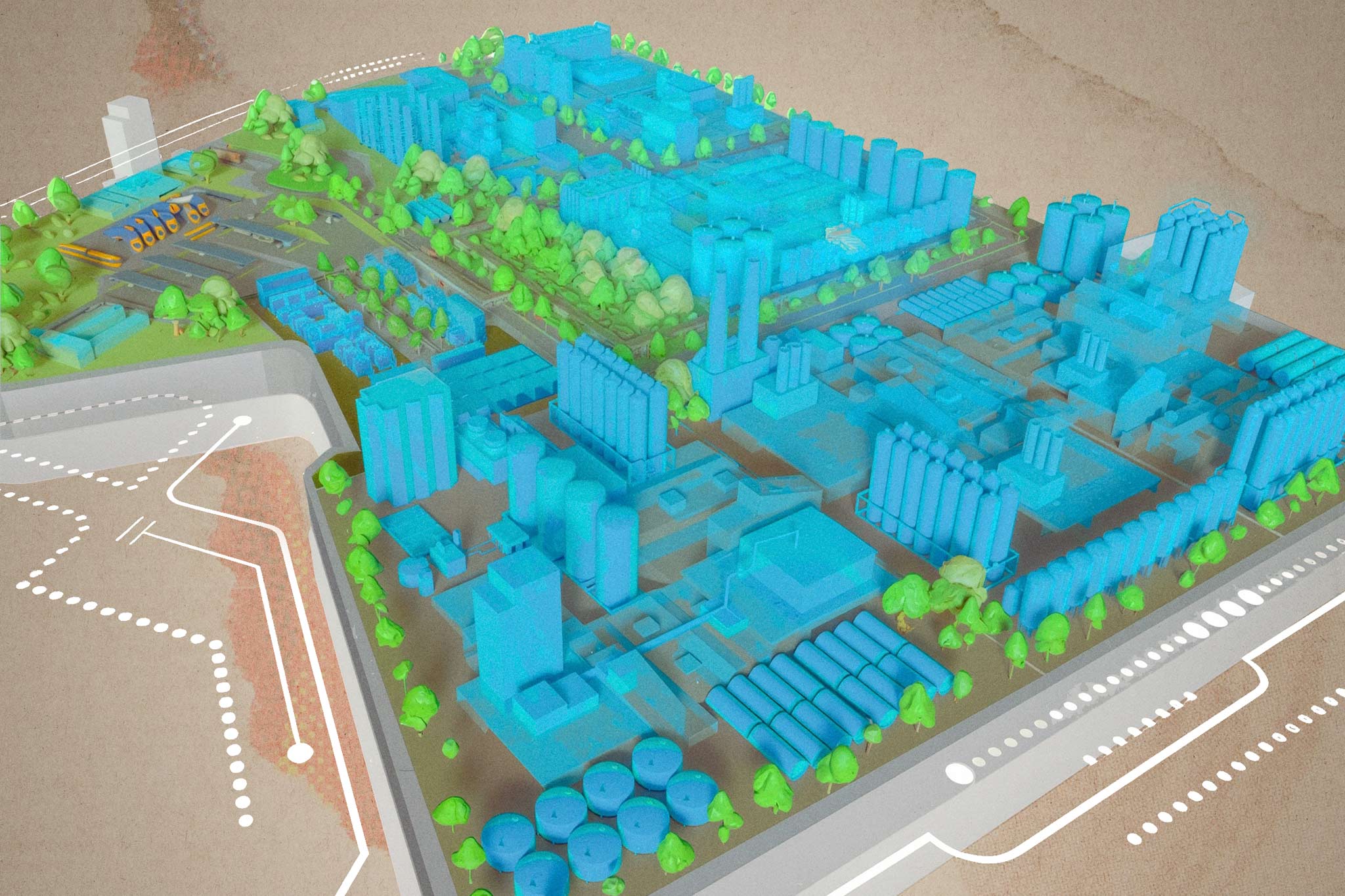
The port’s infrastructure supports translating research into practical applications, laying the groundwork for further sustainability and innovation initiatives. As a result, the project is central to the Port of Antwerp-Bruges’ ambition to achieve carbon neutrality. Located in the former General Motors area, the district is dedicated to circular-economy startups and sustainable chemistry projects. It serves as a testing and scaling zone for converting waste streams into clean raw materials, strengthening Antwerp’s role in the European energy transition.
Key components of Antwerp’s importance to life sciences include specialised health tech and digital centres, clinical and biotech research, sustainable chemistry and industrial scaling, and logistics and infrastructure. For example, Dunden Innovation Campus focuses on fostering health tech companies, The Beacon specialises in digital innovation, and Antwerp Health Harbour (AHH) concentrates on digital health and care, each supporting innovation in their respective areas.
Dunden is a health tech hub focused on digital health startups, offering affordable office space, dedicated infrastructure, and a collaborative network. Similarly, the Beacon develops Internet of Things and artificial intelligence solutions for smart health and logistics. In addition, recently launched Antwerp Health Harbour (AHH) unites hospitals, academic institutions, the city government, and private companies to advance healthcare innovation through data, technology, and clinical research, delivering patient-centric, future-ready care.
Opened in 2022, Vaccinopolis is a 6,000 square metre research facility at the University of Antwerp designed to accelerate the development of vaccines and treatments for infectious diseases. It serves as a European centre for studying pandemic threats, enabling rapid testing to shorten vaccine development timelines. Vaccinopolis is funded by the University of Antwerp and the Belgian government.
The University of Antwerp Science Park, along with incubators and life sciences clusters, supports the health and environmental sectors by creating high-value jobs, attracting international investment, and commercialising research discoveries. Building on this, Antwerp’s life sciences cluster benefits from a strong network of hospitals, research institutes, and innovation platforms. Key members include the University of Antwerp, Antwerp University Hospital (UZA), the Flemish Institute for Technological Research (VITO), and the University of Ghent’s Flanders-wide network.
The University of Antwerp’s Science Park currently hosts about 40 innovative companies. In the coming years, it plans to grow to 60 companies and 600 employees, creating 250 new jobs and adding 20 R&D-focused firms.
“Integration has enabled the city to develop a specialised ecosystem focused on smart health, AI-driven diagnostics, and sustainable chemistry”
In addition to direct employment, Antwerp leverages its position as Europe’s largest integrated chemical cluster, with 500 chemical companies and 300 chemicals, to support life science manufacturing and speciality chemistry innovation. This industrial base provides clinical-grade materials, logistics, and large-scale production, enabling the health and life sciences cluster to move efficiently from pilot to commercial production.
Future challenges and growth barriers Despite recent progress, Antwerp faces four main challenges: limited land and infrastructure, talent shortages, fragmented sectors, and regulatory uncertainty. These issues slow or block progress in several areas.
Infrastructure constraints are a pressing issue. Rapid growth at the science park, incubators, and hospital-linked innovation hubs has filled available lab and office space, forcing life science and health tech companies to relocate or delay expansion until new lab-ready and mixed-use buildings become available. At the same time, demand from the chemical cluster strains land use and environmental permits, further delaying the construction of test and demonstration facilities for chemical and logistics companies.
Belgium’s life science and chemical sectors employ over 97,000 people and generate more than €70 billion in turnover, but face shortages in specialised roles such as biotech, data science, and clinical development. To remain competitive, Antwerp must upskill its workforce, attract international talent, and align higher-education programs with industry needs, or risk falling behind the Netherlands, the United States, and Switzerland. Ongoing uncertainty about sustainable chemistry targets, circular-economy rules, and the alignment of clinical-trial and Advanced Therapy Medicinal Products (ATMP) regulations also slows long-term investment, complicating growth.
Overcoming barriers through collaboration To address these challenges, local organisations and associations have made collaboration central to the innovation district. POM Antwerp, a provincial development agency, owns and develops the Science Park University of Antwerp and is expanding business space from 16,400 square metres of managed offices and labs to a higher-capacity innovation campus. By co-designing the park with the University of Antwerp and hospital partners, POM enables startups and spin-offs to focus on R&D and regulatory requirements rather than on infrastructure concerns.
Furthermore, targeted platforms and training initiatives are strengthening the ecosystem. Vi Talent, a specialised pharma and biotech training centre in the science park’s Isala building, provides tailored upskilling for students, job seekers, and industry professionals, addressing skills gaps in manufacturing, quality assurance, and clinical operations. Open innovation hubs such as Blue App and Next Gen Demo connect chemical and life science firms with shared labs, pilot facilities, and circular economy projects, allowing smaller companies to scale up alongside multinational partners.
Cross-regional cluster alliances, such as the collaboration between Flemish Biovia and Walloon Bio Win, strengthen Belgium’s position as a unified life science territory. These alliances jointly develop funding proposals, attract foreign investors, and coordinate pre-competitive projects, streamlining the path from incubation to industrial production and market entry. By aligning incentives across public agencies, universities, hospitals, and private investors, Antwerp secures a long-term competitive advantage as a compact, well-connected innovation district that can respond quickly to emerging health and environmental challenges.
In summary, Antwerp’s life science and science park ecosystem demonstrates how deliberate co-design can overcome common obstacles. By expanding physical space, strengthening skills pipelines, and fostering cross-sector alliances, local organisations position Antwerp as a model for mid-sized European cities.