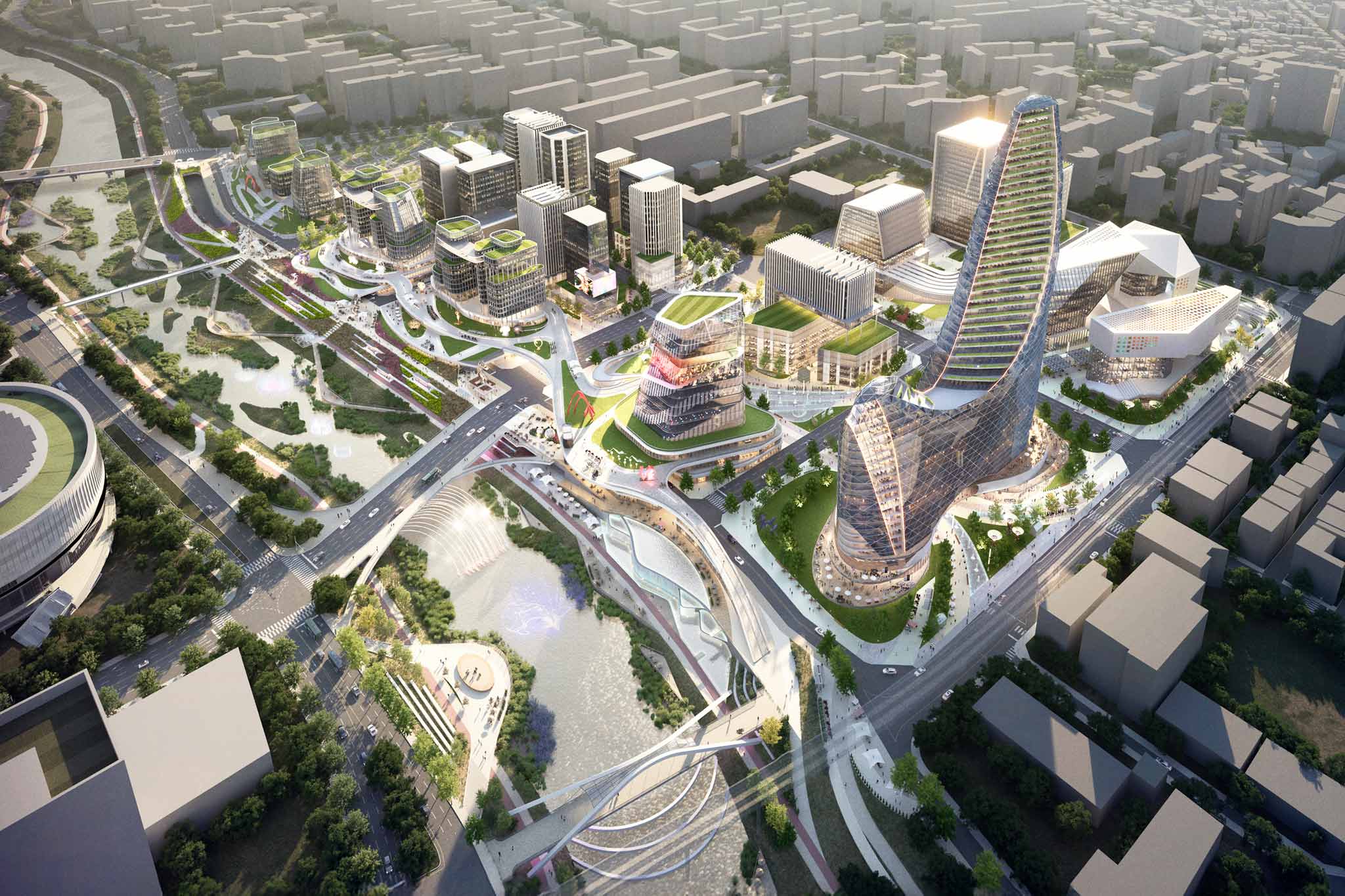
As the capital of South Korea, Seoul is fast becoming a leading Asian life science hub. Urban regeneration projects, the development of science parks, and the hosting of international conventions all support a unified innovation district strategy.
Seoul demonstrates how a dense metropolis can integrate basic research, startup development, and industrial scale-up into a cohesive biohealth ecosystem. Leading institutions such as Korea University, Yonsei University, and Seoul National University drive innovation through specialised colleges, major research facilities, and applications in agriculture and medicine.
This ecosystem has evolved rapidly over the past decade. Seoul’s focus on life sciences has accelerated through targeted public investment and a clear goal to position South Korea as a global biohealth leader. Instead of concentrating activity on a single campus, the city now uses a multi-nodal cluster model across Hongneung, Magok, Gangnam, and new developments in the northeast. Central to this transformation is the repurposing of former infrastructure and logistics sites for high-value bio-industries.
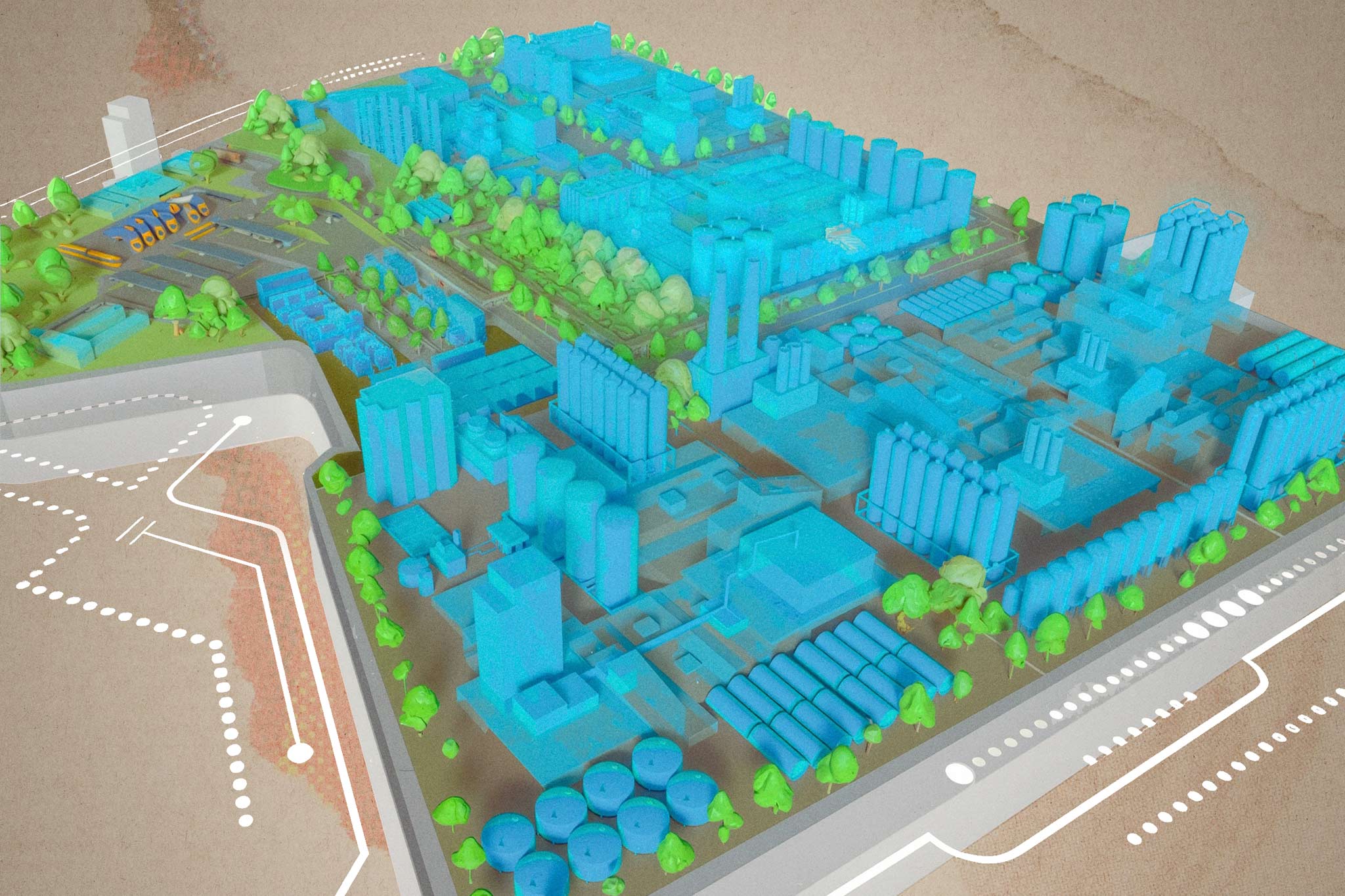
Transit-oriented districts The Seoul Digital Bio City project in the Changdong Vehicle Depot area symbolises transformation. Here, the city converts 247,000 square metres into an advanced digital biological R&D cluster. The project aims to attract 10,000 researchers, generate €3.3 billion in production impact, and create 86,000 new jobs by 2030. Through repurposing depots and rail yards, Seoul creates high-density, transit-oriented science districts that connect to universities and hospitals across the city.
While Digital Bio City reflects Seoul’s forward-looking vision, Hongneung serves as its living laboratory. In this northeastern neighbourhood, the Seoul Metropolitan Government and the Korea Health Industry Development Institute (KHIDI) have spent the past decade developing a biomedical innovation district centred on Seoul Bio Hub.
The Hub opened in 2017 as Korea’s first dedicated biotech and pharmaceutical startup support centre, and now anchors the Hongneung Biomedical Cluster. By 2023, it hosted about 130 startups focused on drug discovery, digital health, and medical devices. Startups in AI-enabled digital dentistry, and cell and gene therapies, further strengthen its portfolio. The hub benefits from its location among nine universities, six medical centres, and nine research institutes, providing early-stage ventures with rapid access to clinical collaborators, talent, and shared infrastructure.
The model is intentionally cluster-driven. Seoul Bio Hub’s leadership believes that the biomedical industry requires researchers, financiers, clinicians, patients, and regulators to co-locate to maximise efficiency. The hub serves as both an incubator and an orchestrator, collaborating with the city to create incentives for companies to remain in Hongneung and to attract major pharmaceutical and biotech associations. The goal is to establish Hongneung as a development-focused biotech cluster recognised across Asia, rather than just a national research enclave.
“The hub benefits from its location among nine universities, six medical centres, and nine research institutes”
Seoul’s science parks are interconnected. In the capital region, the Magok district in western Seoul and the nearby Songdo International Business District in Incheon form a corridor spanning R&D and large-scale biologics manufacturing.
Songdo already hosts global contract manufacturing facilities and is adding a Bio Campus to serve as a training centre and collaborative R&D base for bio-institutions and companies worldwide, supported by initiatives such as Lotte Biologics’ Bio Venture Initiative. This structure enables a division of labour: Hongneung and emerging nodes like Changdong focus on early-stage research and digital biological convergence, Magok houses corporate R&D and headquarters, and Songdo specialises in industrial-scale production. For international partners, the combined Seoul–Incheon region offers a seamless continuum from discovery to commercial manufacturing within a highly connected metropolitan system.
Inside Seoul’s biotech room Scientific and technological breakthroughs from Seoul’s ecosystem reflect this layered structure. Startups at Seoul Bio Hub are active in advanced fields such as cell and gene therapies, AI-driven diagnostics, and digital healthcare platforms. National initiatives have also created enabling conditions through large-scale funding and data infrastructure.
In 2025, South Korea launched the Bio Health Mega Fund, mobilising over €224 million to support innovative companies through clinical trials and commercialisation. The fund is supported by a national integrated biological big-data project and AI-focused regulatory sandboxes. Together, these initiatives lower barriers for high-risk, high-impact ventures in regenerative medicine, immuno-oncology, and personalised therapeutics, and provides access to population-scale datasets under an evolving regulatory framework.
Regenerative medicine is especially prominent. Korea Life Science Week, the country’s specialist life science exhibition at the Coex Convention and Exhibition Centre in southern Seoul, highlights regenerative medicine innovation, analytical technologies, and advanced research equipment. This focus indicates that the city’s ecosystem is aligning with global frontier fields, rather than simply expanding generic biopharmaceutical capacity.
In Seoul, major conventions serve as core infrastructure for open innovation and cross-border collaboration, not just as showcase events. Bio Korea, launched in 2006, has become the country’s flagship international biohealth convention, and its twentieth edition in 2025 demonstrated the scale and ambition of this platform.
Last year, Bio Korea 2025 was held at Coex, welcoming 753 companies from 61 countries and attracting about 30,000 participants. The programme included an exhibition, investment fair, business partnering, academic conference, and networking, with 14 sessions and over 100 experts from eleven countries discussed the latest trends and future outlook of the biohealth sector. For overseas delegates, the event provided structured deal-making through pre-arranged partnering meetings and direct exposure to South Korea’s technological capabilities and regulatory perspectives.
Korea Life Science Week 2026, held in September at the Coex Convention and Exhibition Centre, complements this programme by offering a specialised B2B platform focused on life science equipment and pharmaceuticals.