
In today’s topsy-turvy business world, the pace of technological progress and business disruption has accelerated dramatically. Coupled with ongoing economic uncertainty and geopolitical volatility, companies and governments alike are looking for ways to cultivate innovation ecosystems that foster creativity, collaboration and commercialisation of new ideas, and set the stage for community growth and advancement.
As noted in the new book The Shape of the Future: How to Design for Disruption, Plan for Uncertainty and Adapt to Whatever Tomorrow Brings, science parks and innovation districts have emerged as critical platforms for achieving these goals. By uniting startups, established corporations, research institutions, universities, and investors, these innovation hubs (increasingly common in major cities and throughout regions) not only promote continuing growth and advancement, but also provide an environment that’s designed to accelerate the development of cutting-edge technologies, nurture entrepreneurship, and drive economic growth.
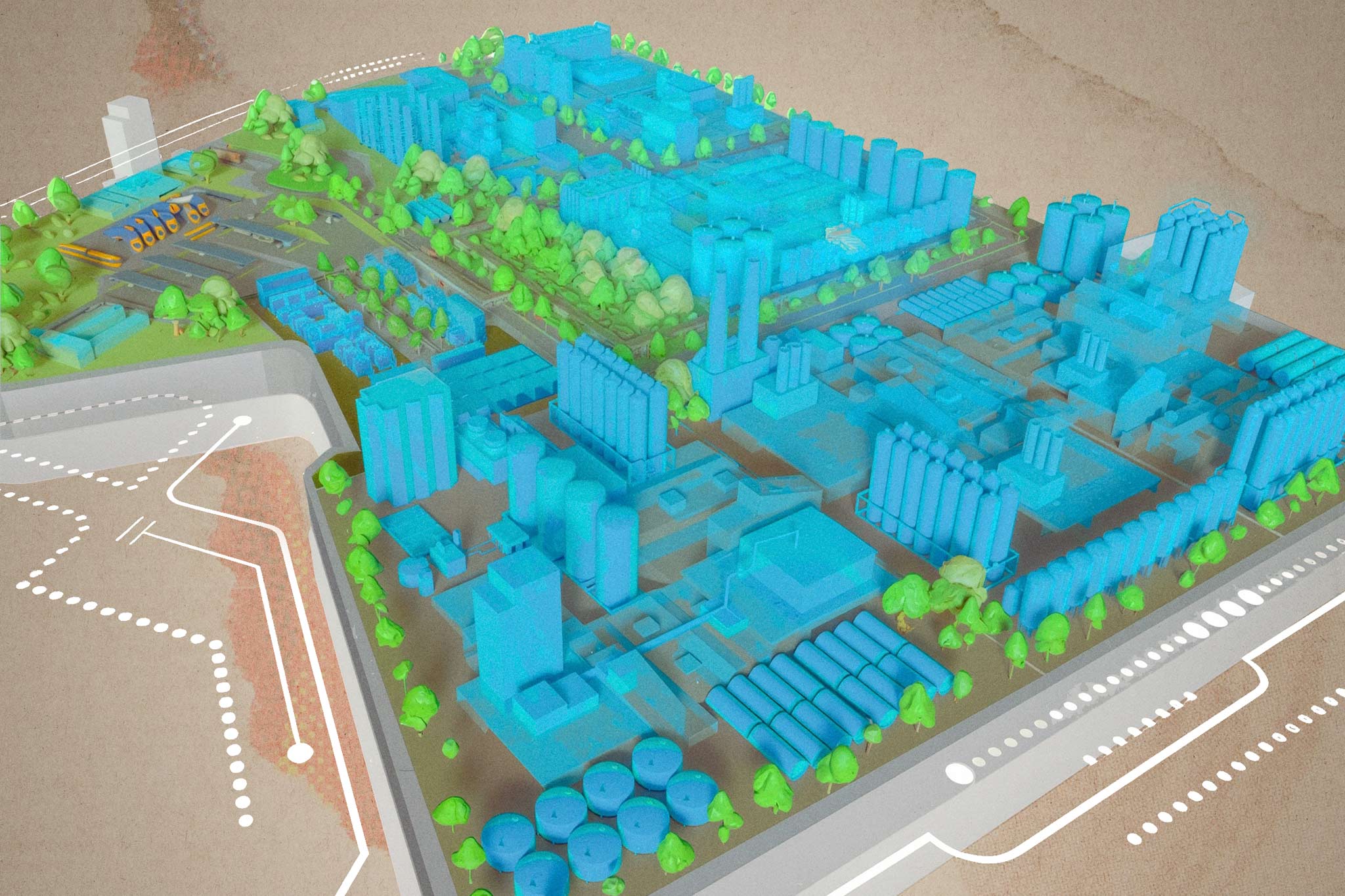
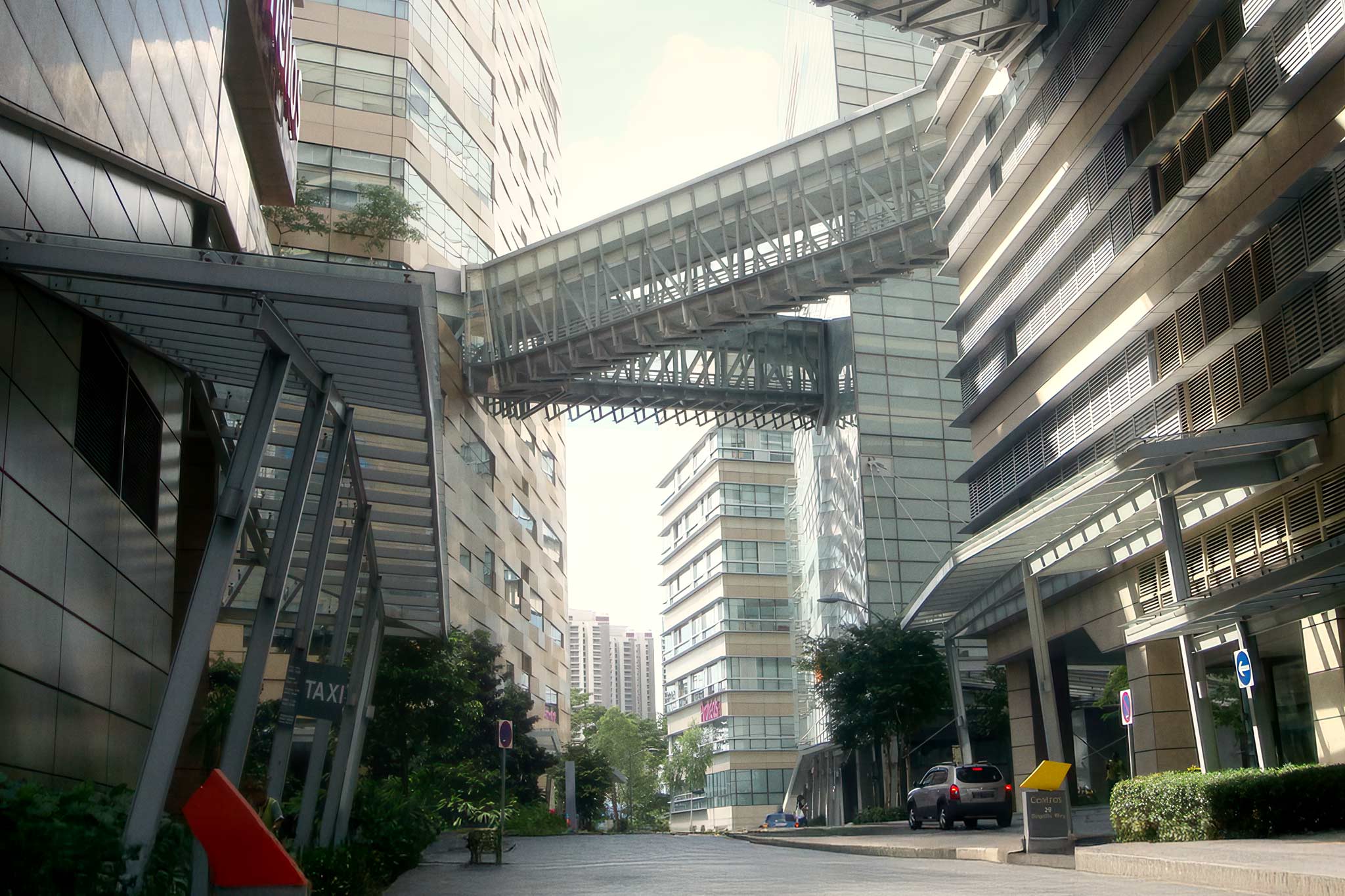
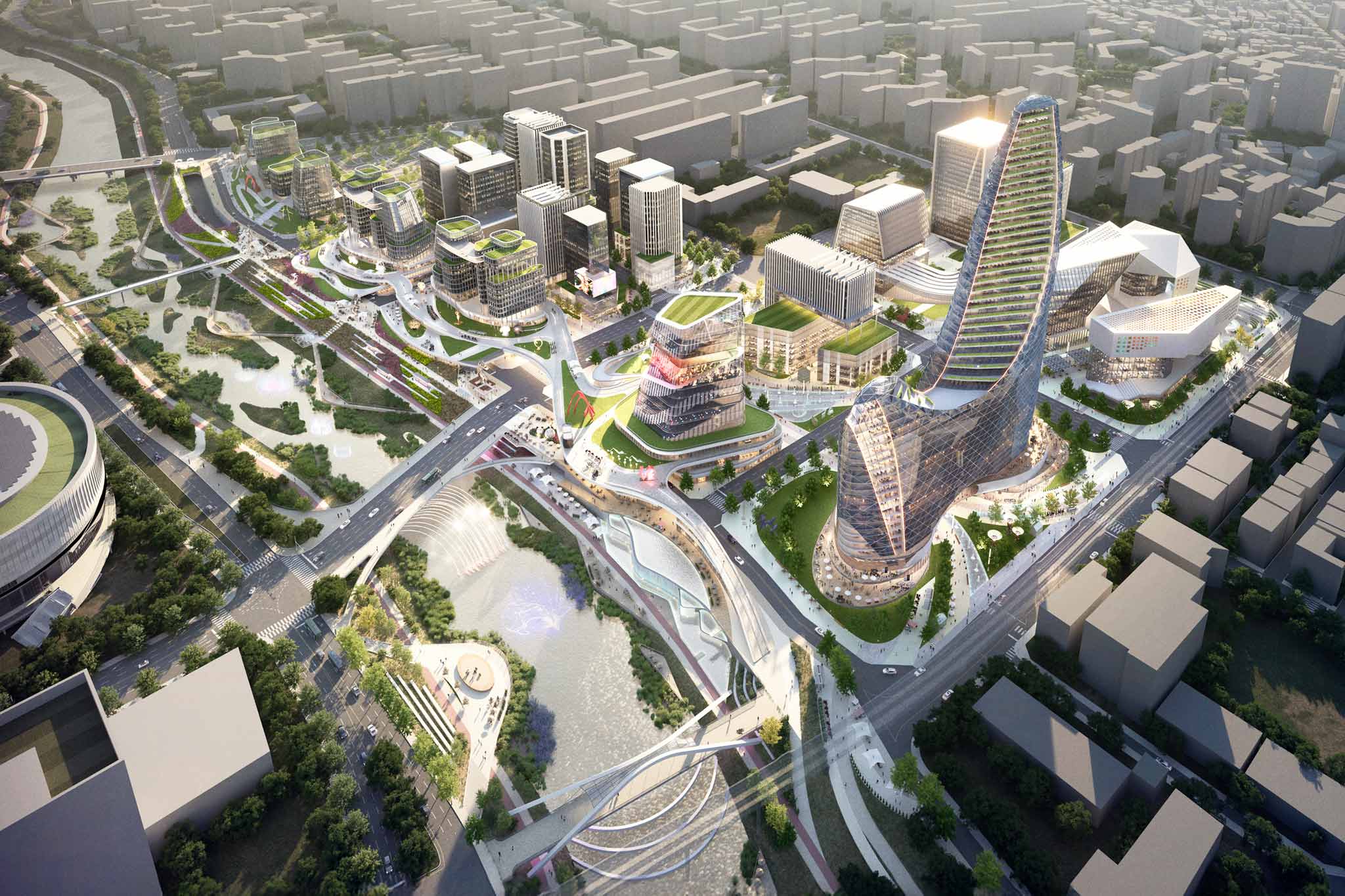
Science parks, traditionally anchored around research universities, focus on the commercialisation of scientific research. These storied settings provide office space, laboratories, prototyping facilities, and access to technical expertise that allow early-stage companies and spin-offs to transform research into market-ready products. Innovation districts, in contrast, are urban neighbourhoods intentionally designed to integrate workspaces, residential areas, amenities, and knowledge-based industries into one cohesive whole. The cutting-edge destinations encourage cross-sector collaboration, serendipitous interactions, and a vibrant community culture, creating fertile ground for startups and established firms to co-create value. Both models aim to bridge the gap between ideas and impact, enabling rapid innovation from concept to commercialisation.
Driving business growth via community and collaboration One of the primary ways that science parks and innovation districts drive business innovation is by providing companies with access to talent. Any number of these hubs are strategically located near leading universities or research institutions, ensuring a steady flow of skilled graduates, researchers, and industry experts. For startups, this access to human capital is crucial. For larger corporations, it offers opportunities to identify emerging technologies and potential acquisition targets. Proximity to other companies also enables the exchange of best practices, collaboration on joint ventures, and access to shared services, reducing overhead and accelerating product development cycles.
“Innovation rarely occurs in isolation”
In addition to providing access to talent, the innovation hotspots also frequently provide access to venture capital, incubators, and accelerators. For example, science parks in Silicon Valley, Boston’s Kendall Square, and London’s White City combine investment networks with mentorship programs to help startups scale efficiently. By embedding financial and advisory resources within the ecosystem, these destinations lower barriers to entry and accelerate the market introduction of promising technologies.
Fostering collaboration and knowledge exchange As often noted in keynote speeches and workshops, innovation rarely occurs in isolation. Science parks and innovation districts create environments that encourage interdisciplinary collaboration. By clustering companies from sectors such as biotech, AI, clean energy, and fintech, these hubs enable knowledge sharing, cross-pollination of ideas, and the formation of consortia to address complex challenges. For example, Sophia Antipolis Science & Technology Park in France and Research Triangle Park in North Carolina host hundreds of companies and research labs, fostering dense networks of expertise that support collaborative innovation.
These ecosystems also promote strong partnerships between academia and industry. Universities contribute cutting-edge research, while companies provide practical experience and market insight. This synergy enables translating theoretical discoveries into commercially viable products, including pharmaceuticals, advanced materials, renewable energy solutions, and digital platforms. Science parks and innovation districts serve as living laboratories where experimentation is encouraged, failure is part of the learning process, and continuous improvement is the norm.
Driving regional economic development and growth Beyond technological innovation, science parks and innovation districts also help promote regional economic development. By attracting high-tech companies, creating jobs, and fostering entrepreneurship, these destinations stimulate local economies. Innovation districts, in particular, help to revitalise urban areas by integrating residential, commercial, and recreational spaces, drawing young professionals and creative talent, and generating a dynamic, innovation-oriented culture.
Cities such as Singapore, Barcelona, and Toronto have invested in innovation districts to diversify their economies and reduce reliance on traditional industries. In Asia, Shenzhen’s tech ecosystem has transformed the city into a global hub for electronics, AI, and biotech. Europe’s Brainport Eindhoven region has used its high-tech manufacturing base to create a cluster of automotive, robotics, and materials companies that collaborate with universities. These examples show that innovation ecosystems can transform entire regions and create lasting economic impact.
“By concentrating talent, capital, and resources in close proximity, the districts accelerate the development”
Driving sustainability and global challenges A critical function of science parks and innovation districts is fostering solutions to global challenges. A growing number of hubs now prioritise research and development in areas such as clean energy, sustainable transportation, and healthcare innovation. For example, the Danish Ørestad Innovation District in Copenhagen, and the Masdar City Innovation Hub in Abu Dhabi focus heavily on sustainable technologies, supporting startups and research centres developing renewable energy solutions, smart city infrastructure, and green building technologies. By concentrating talent, capital, and resources in proximity, the districts accelerate the development and adoption of technologies that address environmental and societal challenges.
Also, innovation districts foster a culture of experimentation, enabling rapid testing of solutions in real-world contexts. Urban districts often serve as testbeds for smart mobility, digital infrastructure, and energy-efficiency programs. These living laboratories provide feedback loops for developers, policymakers, and entrepreneurs, ensuring innovations are both technologically feasible, and socially and economically viable.
Setting the stage for growth and innovation Science parks and innovation districts promote growth, advancement and economic development on every front. By providing infrastructure, fostering collaboration, and connecting startups with established companies, research institutions, and investors, such tailored destinations help accelerate the translation of ideas into products and services. Beyond pure GDP growth, urban hotspots also help address societal challenges, foster the development of sustainable solutions, and create vibrant urban communities.
In a rapidly changing world, organisations that leverage the power of science hubs and innovation ecosystems have the potential to gain a competitive advantage. Likewise, cities and regions that invest in them can position themselves as global leaders in technology, business, and economic development. From biotechnology to AI, renewable energy, and smart cities, science parks and innovation districts are not just engineered spaces. Rather, these thriving areas are engines of change, that are helping drive the future of innovation and business worldwide.
Hailed as the World’s Leading Business Strategist, award-winning strategic consultant and professional speaker Scott Steinberg is among today’s best-known trends experts and futurists. He’s the co-author of the book “The Shape of the Future: How to Design for Disruption, Plan for Uncertainty and Adapt to Whatever Tomorrow Brings.” The creator of “What’s the Future of …?”, a new series of training games for play at meetings and events, and the President and CEO of BIZDEV: The International Association for Business Development and Strategic Partnerships. www.FuturistsSpeakers.com.