
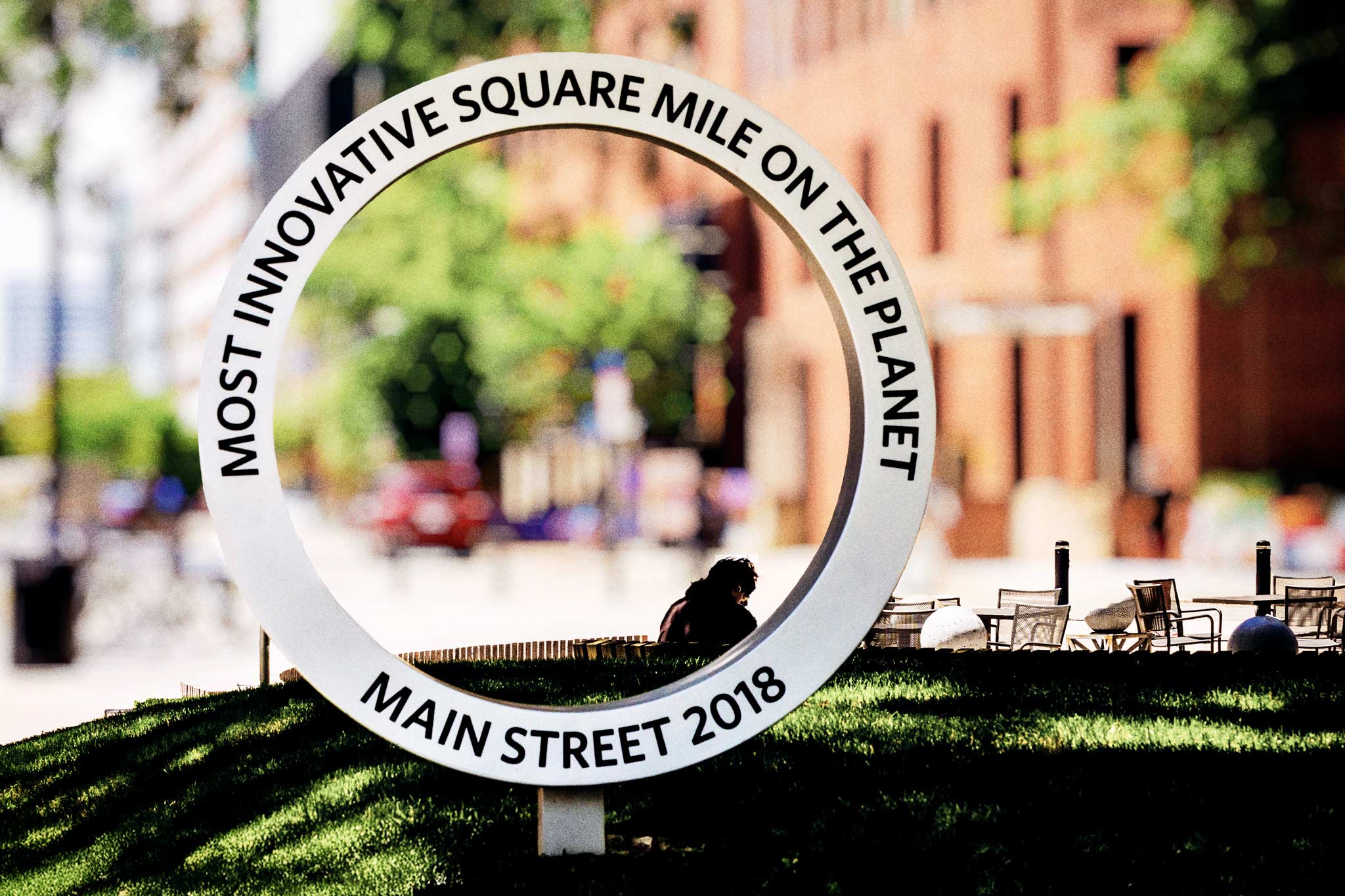
As of early 2026, Boston, USA, remains a global hub for life sciences, but the sector is enduring a prolonged downturn, evolving from a funding crisis into a restructuring of real estate, talent, and regulatory compliance. Boston’s “biotech crown” is challenged by global centres like Shenzhen, China, which is advancing in licensing and development, threatening the US dominance.
For fifty years, Greater Boston has been the living proof of what American science policy can achieve. Federal agencies have fuelled bold research at Massachusetts Institute of Technology (MIT), Harvard University, Boston University, Northeastern University, and local teaching hospitals, turning the city into a discovery laboratory and a well-known destination for business events.
Universities convert public investment into talent, discoveries, and patents. Cambridge, the Seaport district, and Route 128 science parks turn ideas into companies, attracting capital and global talent. This progress comes from sustained public investment. Continued funding cuts put Boston at risk of weaker research, lost talent, fewer startups, and diminished leadership in innovation. The coming years will test Boston’s resilience. Policymakers and stakeholders should act now to protect and expand research investment.
Tougher odds for grants The immediate pressures are evident on campuses and in labs. Cuts to federal research budgets and tighter overhead caps force universities to shrink research ambitions. Core facilities must cover more costs through user fees. Multi-year projects, once secure, now depend on annual political battles. Early-career scientists, facing tougher odds for grants, increasingly look outside academia or abroad.
Boston’s confidence in market solutions remains strong. The innovation hub Kendall Square, major companies, and the influence of the Massachusetts Institute of Technology (MIT) and Harvard University attract investors. Philanthropists are also expected to fund new institutes. For now, this optimism is justified, as the city’s science parks remain active. However, looking five or ten years ahead, a subtle but concerning trend is emerging that leaders should not ignore.
Consider universities first Research institutions have limited flexibility. When federal funding drops, they can’t easily raise tuition or repurpose facilities. Instead, they reduce doctoral admissions, don’t replace retiring faculty in less central fields, consolidate smaller centres, and drop high-risk, long-term projects. In Boston, this could mean losing a neurodegeneration program, fewer synthetic biology initiatives, or eliminating uncertain climate research.
Three main risks These decisions have significant regional impacts. For example, a decline in PhD students and postdocs today leads to fewer deep-tech founders and skilled employees in the future. In addition, when labs close, opportunities for spin-outs are lost. Moreover, if departments focus solely on short-term, industry-funded projects, innovation tends to move elsewhere. The main risks are:
- A shrinking innovation pipeline, which reduces the creation of new technologies and startups.
- Slower economic growth due to fewer high-tech jobs and companies.
- A long-term decline in Boston’s global technology competitiveness as research and innovation shift to other regions.
“The life sciences are the core of Boston’s innovation narrative”
Now, the life sciences are the core of Boston’s innovation narrative. The region became synonymous with biotech because federal funds, especially those from the National Institutes of Health (NIH), created an unmatched concentration of biomedical research. That density attracted pharma giants, contract research, manufacturers, and global investors. The city’s skyline shows the result: towers for lab space, not just offices.
If federal life-science funding tightens, Boston will face early, significant challenges. Medical centres may delay or scale back trials funded by grants. Some translational projects may stall at the application stage. Large collaborations that require cohorts, shared infrastructure, and a high tolerance for scientific risk may become harder to maintain. The market funds incremental drug candidates with high profit potential, but rarely the basic science laying groundwork for real breakthroughs.
Science parks and innovation districts stand at a crossroads. The innovation hub Kendall Square, Longwood Medical and Academic Area, the Seaport district, and areas like Somerville and Allston thrive on frontier research, specialised talent, and patient capital. Federal disinvestment threatens all of them.
If these trends persist, science park operators and planners will face tough choices. Research lab buildings may house more service tenants. Incubators may host fewer innovative firms, instead focusing on incremental applications, reducing innovation. Corporate partners, seeing thinner academic pipelines and more policy volatility, may seek their next collaboration in Toronto, Berlin, or Singapore.
Policymakers must act Boston’s innovation districts won’t become ghost towns. The risk is that they shift from magnets for frontier work to reflections of whatever is currently profitable. That would mean fewer breakthroughs, lost research leadership, and less ability to attract top talent. The brand may outlast the substance, but founders and researchers notice where the frontier is. Once belief in Boston fades, it’s hard to win it back.
For policymakers, the lesson is clear. Savings from research cuts mean lower growth, fewer jobs, and a weaker tax base in five to ten years. For Boston – an area built around knowledge, health care, and technology – cutting research is economic sabotage, not fiscal prudence. Policymakers must act to protect funding and ensure future economic vitality. They should prioritise sustained investment, advocate stability, and seek local partnerships to protect Boston’s economy.
For innovation leaders such as heads of science parks, innovation districts, and corporate R&D, the message is urgent. National research policy affects them too. When grants are cut, they must spell out what’s at stake: which programs close, which facilities lose viability, which startups never launch. Leaders should partner with universities and governments to support early-career talent, co-fund infrastructure, and align districts with national missions.
The good news is that Boston is well-placed to lead. Its universities, hospitals, companies, and civic institutions can prove that research equals infrastructure as vital as roads, ports, or power grids. They can make the case that every research dollar cut today costs far more in lost growth and competitiveness tomorrow.