Dubai is positioning itself as an emerging hub for life science innovation. Its science parks and innovation districts serve as experiments in building a modern health ecosystem rather than traditional industrial estates. For researchers and R&D leaders, the city demonstrates how urban planning, regulation, and infrastructure can accelerate the journey from discovery to distribution across underserved regions.
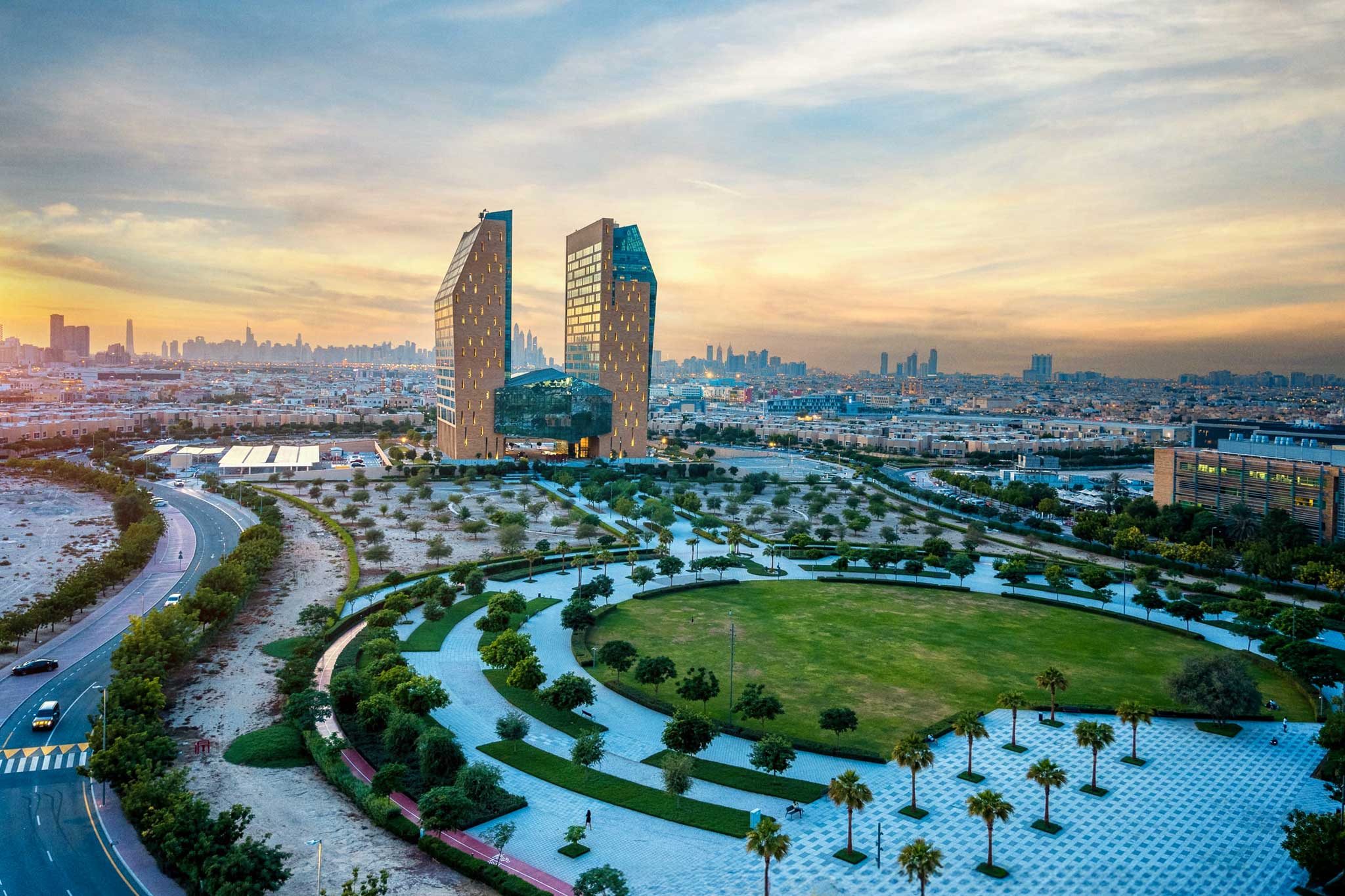
Sheikh Mohammed bin Rashid Al Maktoum founded Dubai Science Park (DSP) in 2005, establishing the region’s first free zone dedicated to the science sector. In this special business area, companies benefit from special tax and customs incentives. Today, over 500 companies, ranging from multinational corporations to small and medium enterprises (SMEs), call the park home. Major organisations include Pfizer, Astra Zeneca, Bayer, Jotun, and Himalaya Wellness.
There are over 6,500 scientists, researchers, and professionals working within the Al Barsha South community. The hub features over 90 laboratories. It also includes LEED-certified offices and storage facilities, meeting standards for environmental sustainability, focusing on energy savings, water efficiency, and reduced carbon emissions.
Over the past two decades, Dubai has shifted from a focus on logistics and real estate to a knowledge-driven economy. Life sciences, health technology, and advanced manufacturing are now strategic priorities. National visions emphasise science, technology, and innovation as central to future competitiveness, with health and biotechnology identified as key drivers of diversification and resilience.
Instead of the traditional approach of incrementally expanding existing universities or hospitals, policymakers have prioritised greenfield science parks and themed innovation districts to build capacity. This approach has fostered an ecosystem in which public-sector goals, private-sector incentives, and spatial planning align from the outset to support life science R&D and commercialisation.
The chosen path sets Dubai apart from older life science clusters that developed around legacy institutions. Scientists and translational teams question whether top-down ecosystem design can foster the same level of collaboration, debate, and competition found in places like Boston and Cambridge. However, early results from Dubai’s flagship districts indicate the city is closing the gap more quickly than expected, largely due to a design focused on future needs rather than historical limitations.
Dubai Science Park serves as a living laboratory. Initially launched as a biotech-focused free zone, it now encompasses life sciences, energy, and environmental technologies. DSP unites multinational pharmaceutical companies, regional manufacturers, contract research organisations, diagnostics firms, and startups within a single regulatory and physical framework, offering clustering benefits and streamlined administrative processes.
“National visions emphasise science, technology, and innovation as central to future competitiveness”
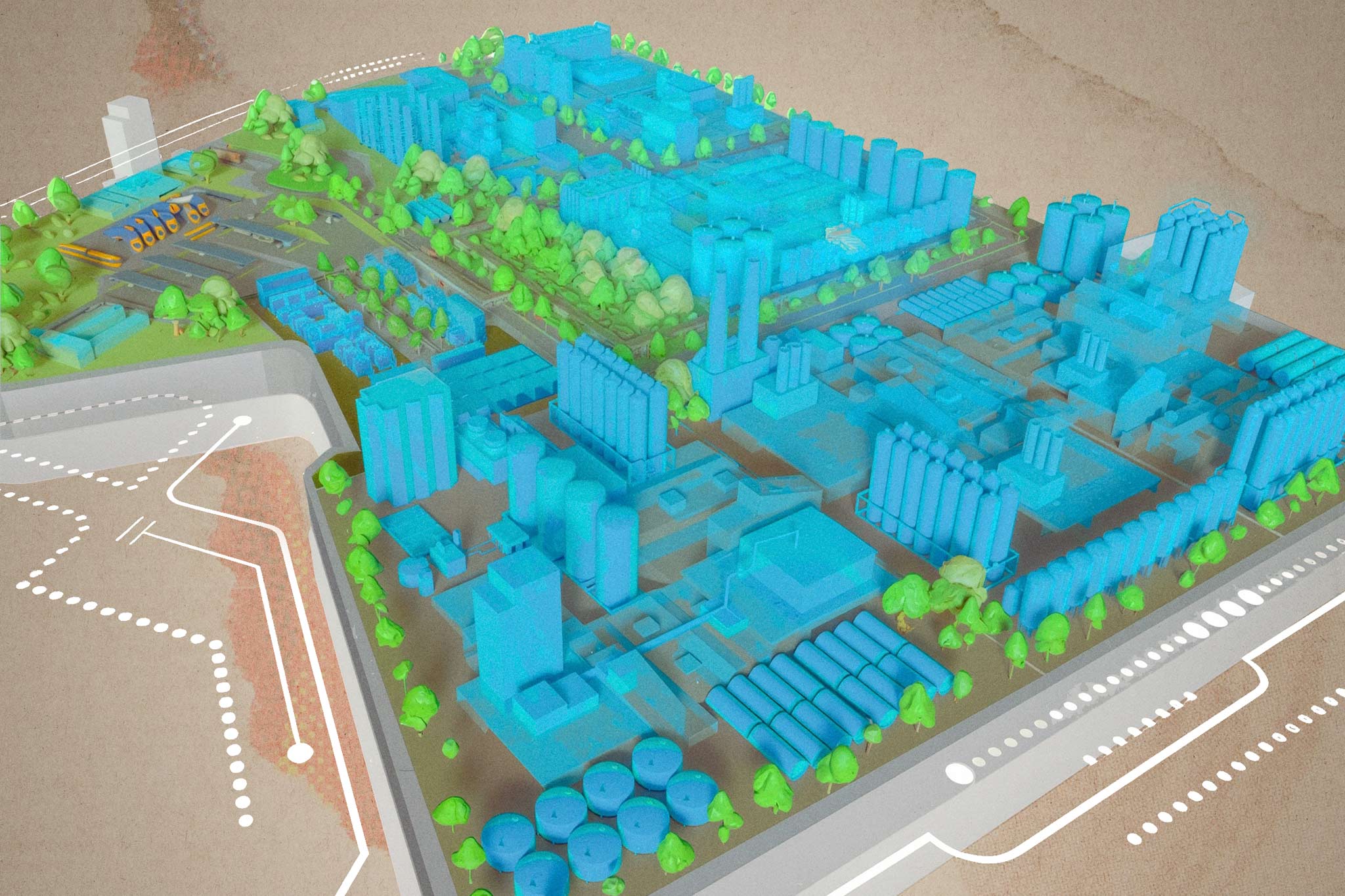
The park’s infrastructure offers office space, specialised laboratories, pilot-scale production units, and controlled-temperature logistics facilities. This keeps companies on a single campus as projects move from research to market, reducing friction and delays caused by fragmented locations. For R&D organisations that shuttle between university labs, hospital partners, and industrial plants in different countries, such integration is significant.
Dubai Science Park’s Nucleotide Lab Complex attracts top-tier researchers seeking advanced wet-lab space for genomics, molecular diagnostics, and other biotech R&D. The availability of advanced, ready-to-use wet-lab facilities shortens the typical lead times compared to hospital- or university-based buildouts. It changes the calculus for both early-stage companies and established firms looking to run regionally relevant studies. For those facing infrastructure bottlenecks in less-resourced settings, a plug-and-play lab near a major transport hub is convenient, and it helps risk-ambitious science in emerging markets.
Building on these design foundations, sustainability in Dubai’s science parks goes beyond a compliance box from a research viewpoint, and becomes an experimental variable. As a result, scientists and engineers in Dubai are piloting low-energy vaccine cold chains and testing new materials to reduce hazardous waste. They are exploring circular approaches to lab plastics within a controlled, well-instrumented setting. Furthermore, the Gulf’s extreme temperatures and the need for air conditioning heighten the relevance of energy-efficiency experiments.
This research is still in its early stages and raises important questions for further study. For example, what are the trade-offs between energy savings and reliability in critical medical logistics? How do new refrigerants or packaging materials perform over multiple years in extreme heat? Can procurement strategies in a science park significantly reduce emissions from hospitals and manufacturers? Dubai’s engineering capacity, regulatory flexibility, and strong incentives to reduce resource intensity, position it well to address these questions.
A bridge to understudied populations One of the most compelling aspects of Dubai’s growth is its role as a bridge between established R&D institutions and large, understudied populations in the Global South. The city’s connectivity makes it an ideal base for multi-country clinical trials, real-world evidence studies, and genomic surveillance initiatives across the Middle East, North Africa, East Africa, and South Asia.
This region remains underrepresented in global datasets for human genetics, infectious disease dynamics, and non-communicable disease patterns. A Dubai-based research network could address these gaps by enabling studies that are logistically feasible, ethically governed, and adequately powered. The involvement of regional regulators, health insurers, and health system leaders in the same ecosystem increases the likelihood that findings will influence policy and practice.
This opportunity brings responsibilities. For investigators considering collaboration, key questions include governance and access: How will data ownership, benefit-sharing, and priority-setting be managed? Will Dubai-based platforms adopt proprietary models, or can they support open, equitable scientific partnerships that respect the interests of participating countries and communities? The answers will determine whether the city is seen as a trusted steward of regional health data, or as a gatekeeper.
Dubai’s science parks and innovation districts offer a model for building new life science hubs in the twenty-first century: deliberately designed, highly networked, digitally integrated, and focused on large, underserved markets.