The history of business events, congresses, and conferences in the life sciences is closely linked to the development of science parks and the broader shift toward collaborative innovation. Based on the triple helix model, in which academia, industry, and government intersect, these interactions have significantly influenced the flow of knowledge and the emergence of commercial opportunities in the global science ecosystem.
The concept of the science park emerged in the United States in the mid-20th century, as universities and government agencies sought to make better use of post-war research capacity. Stanford Research Park, established in 1951 in Palo Alto, became the prototype – a carefully planned community linking university research to emerging industries. Its success paved the way for Silicon Valley’s transformation into one of the most dynamic innovation regions in the world.
19th century: The rise of scientific societies Early scientific associations established the foundation for today’s international gatherings. Organisations such as the Society of German Natural Scientists and Physicians, and the British Association for the Advancement of Science began hosting meetings in the early 1800s. These events created the first official forums for researchers to share discoveries, build professional networks, and gain scientific recognition beyond national borders.
Mid-20th century: Integration of academia and enterprise By the 1950s, the landscape had shifted. The creation of science parks marked a significant step toward embedding research within industrial and commercial environments. Stanford Research Park pioneered the integration of academia and enterprise, demonstrating how proximity accelerates innovation. Similar models emerged in Cambridge (UK), Tokyo (JP), and Gothenburg (SE), shifting the focus from academic meeting halls to dynamic centres of applied science and technology.
Late 20th century: Networking and partnering The 1980s introduced a new phase of professionalisation and focus. Events in dedicated technology parks increasingly emphasised networking, partnering, and commercialisation. By the 1990s and 2000s, science parks had matured beyond physical infrastructure. They began offering specialised services such as startup incubation, venture capital access, and legal guidance on intellectual property. Increasingly, they served as brokers among universities, research institutions, and the private sector – building the ecosystem that allows ideas to move swiftly from concept to market. Many science parks also began to specialise in high-growth fields such as biotechnology, information technology, and clean energy.
Founded in 1983, Ideon Science Park in Lund, Sweden, exemplified this trend by hosting sessions that transformed university research into market-ready biotechnology products. As venture capital interest grew, these gatherings evolved from traditional conferences into strategic deal-making forums.
Science parks: The engine rooms of collaboration Science parks have evolved into highly specialised ecosystems for knowledge exchange and strategic development. Stanford in the United States (1951), and Cambridge Science Park in the United Kingdom (1970) set early benchmarks, while European and Asian models adopted the concept locally. Today, sites such as Swedish Sahlgrenska Science Park in Gothenburg and Ideon Science Park in Lund serve as networking hubs through regular events like linking early-stage companies with investors and multinational pharmaceutical firms. Their infrastructure – including conference centres, flexible lab spaces, and innovation offices – provides a neutral arena for interdisciplinary collaboration. For example, Park Annual, organised by Sahlgrenska Science Park, is a leading life science innovation conference held annually in Gothenburg.
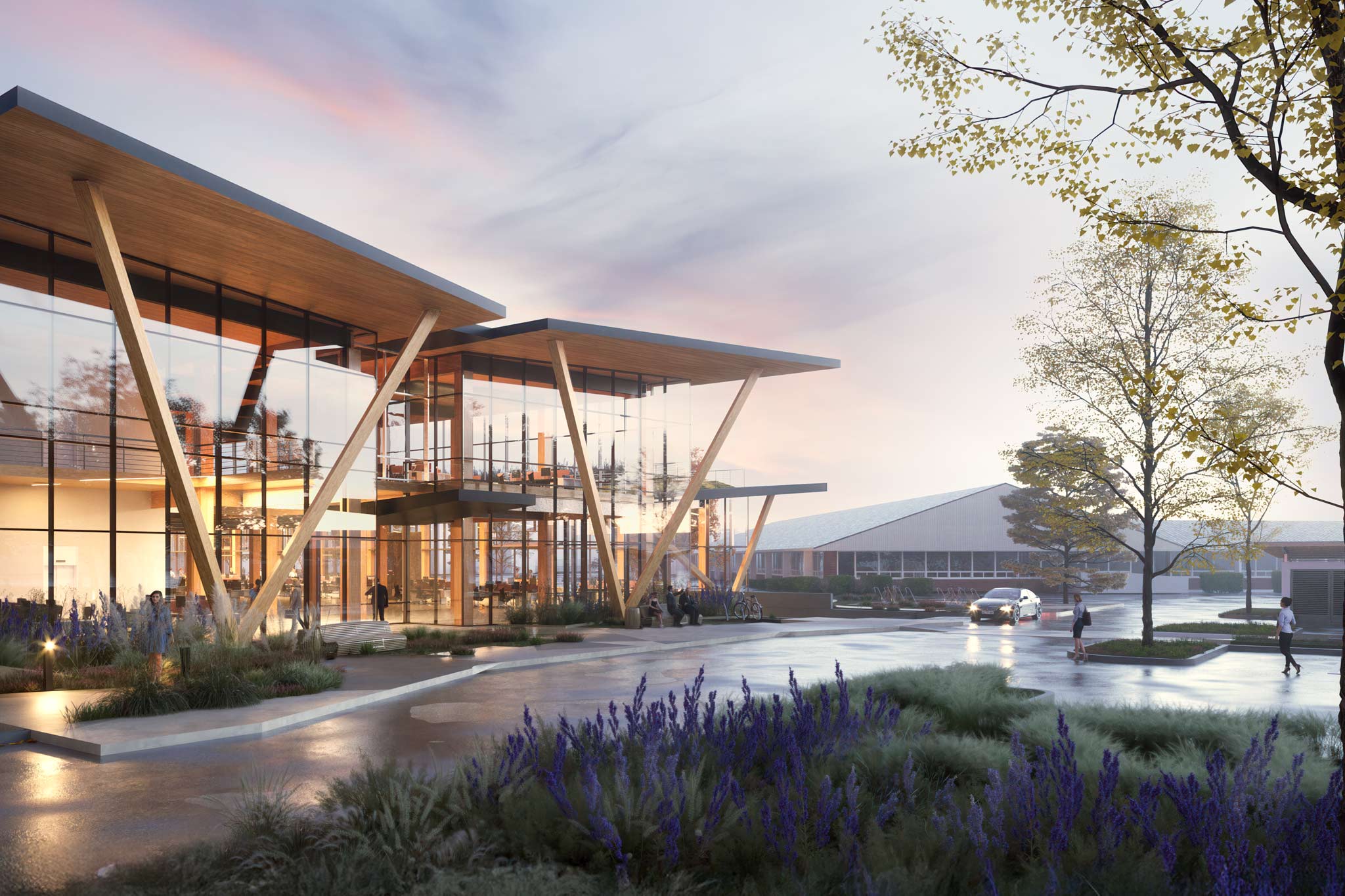
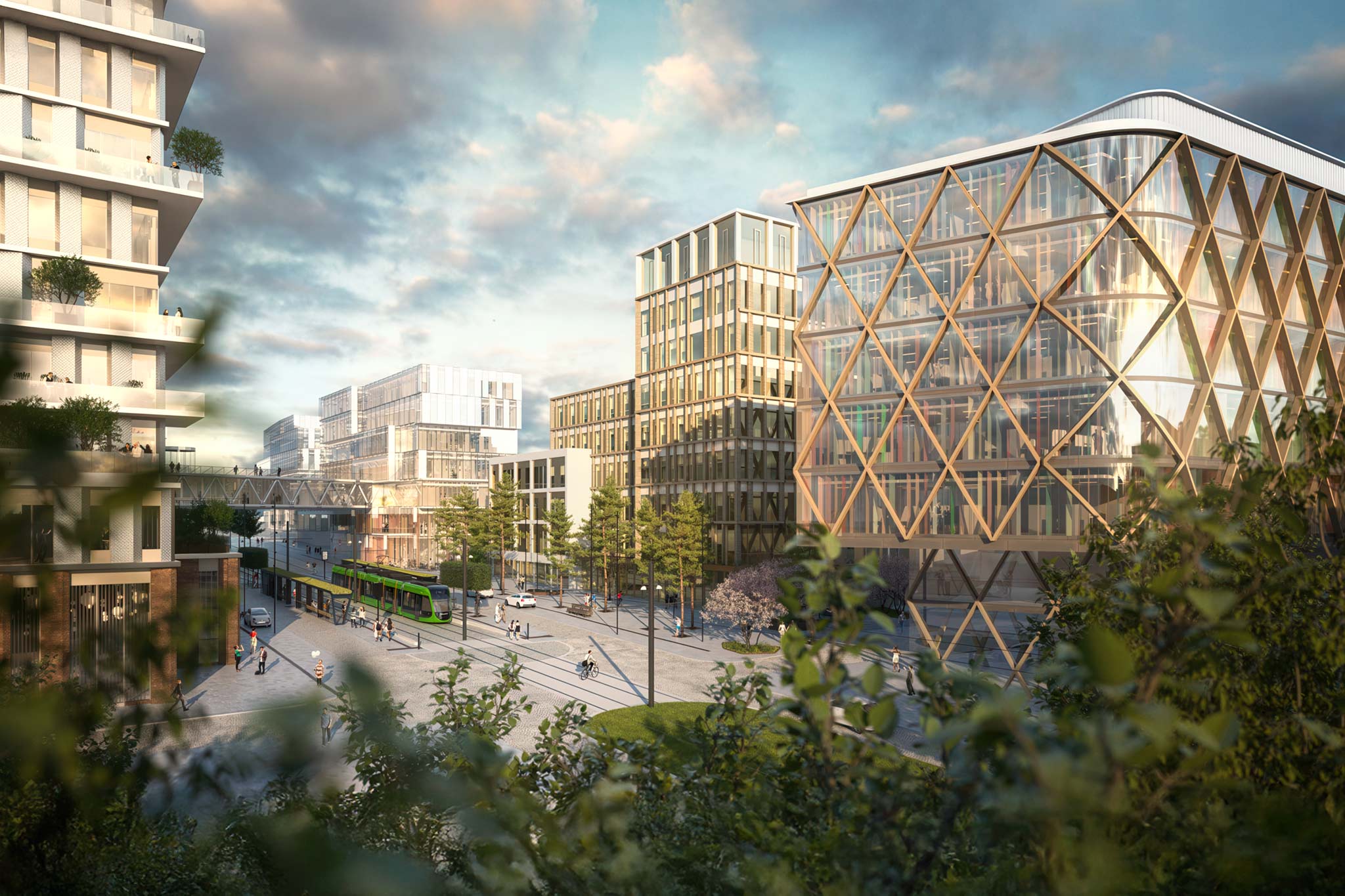
“Modern science parks feature mixed-use design, coworking zones, and green infrastructure, that encourage constant interaction”
The modern scientific event landscape In the past decade, the science park model has entered a new phase, defined by sustainability, density and digital integration. Modern science parks, such as Digital Media City in Seoul, feature mixed-use design, coworking zones, and green infrastructure, that encourage constant interaction. They have become instrumental in shaping local innovation policies, attracting international investors, and accelerating regional economic development.
Several key drivers explain the continued transformation of science parks:
- University collaboration remains central, leveraging academic research for commercialisation.
- Globalisation has intensified competition and increased the need for faster innovation cycles.
- Entrepreneurship and spinoffs now serve as essential sources of industrial renewal, prompting widespread adoption of incubation programs.
- Private sector property development has introduced a focus on modern design, flexible spaces and service-driven environments.
Today, business events in the life sciences generally fall into three main categories. The first category includes partnering and investment-focused events, such as LSX World Congress Europe (Lisbon, Portugal), and Nordic Life Science Days (Stockholm, Sweden). These events prioritise one-to-one meetings to foster business development and attract venture capital.
The second category consists of scientific symposia and congresses. Examples include the ASCO Annual Meeting (Chicago, USA) and the BIO International Convention (San Diego, USA). These gatherings bring together large groups of experts to share research advances and foster collective scientific understanding.
The third category covers regional and specialised events tailored to specific local industries or technology needs. Examples include the Swiss Biotech Day (Basel, Switzerland) and the Genesis Conference (London, UK), which focus on targeted networking and innovation relevant to their respective regions or sectors.
Post-2020: Deep tech, sustainability, and hybridisation In the 2020s, life science congresses have embraced technical depth and environmental consciousness. For example, AI-driven drug discovery, CRISPR applications, and mRNA platforms now dominate agendas, while partner platforms enable global meetings across time zones. Events such as Nordic Life Science Days in Stockholm illustrate how this model supports targeted, high-value engagement between investors and innovation leaders.
Today’s science parks adapt to regional priorities while maintaining international connections. The United Kingdom hosts more than 150 parks supporting a knowledge-based economy, while China’s network of national high-tech zones has expanded significantly between 2008 and 2023, reflecting the country’s strategic commitment to technology-led growth.
From Palo Alto to Cambridge and Shenzen, science parks have become critical platforms for innovation-led economies – proof that the collaboration between research, entrepreneurship, and place continues to shape the future of global development.